
Wide angle factor 0.95X
Coverage 75 MM

Focus throw 240 0

minimum focus 3'7.3"1.1M

filter threads 82 MM

Weight 0.7lbs340g

size 1.0"2.6CM

get in on B&H
 Focuser by SLR Magic
 Single Focus : Variable Diopter
 Mount: 77 MM
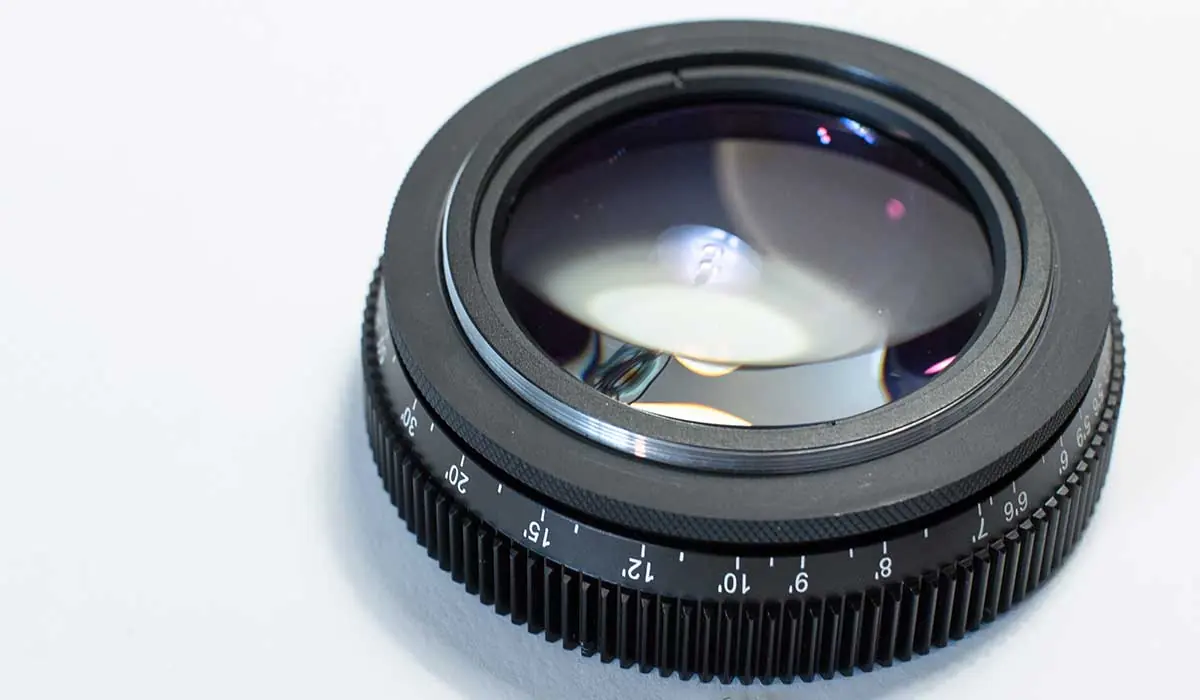
SLR Magic's single focus solution shook the market due to their larger visibility and several posts across different photo/video blogs including the anamorphic community. What the Rangefinder does for anamorphics is transform a double focus lens into a single focus system, which is pretty awesome. In order for it to do its magic, you have to focus both your taking lens and anamorphic to infinity and add the Rangefinder to the front of the anamorphic!
The Rangefinder has a very simple setup, with 82mm front threads and 77mm rear threads that can attach to literally any lens out there. For the Kowa I had to dust off my Redstan clamps and everything went fine - this will be the case with most anamorphics, since they don't have standard threads. One of the coolest things about having standard threads is that you can attach the Rangefinder to spherical glass as well and override their focus ring with the Rangefinder's geared and marked ring. It's also a super compact adapter that you can fit in your pocket when not being used, and you can take out and put back at any moment.
Why would you take it out then? The Rangefinder adds a lot of vignetting, so whenever I had locked focus shots near infinity, I just unscrewed the thing off and shot without it, attaching it back for the next rack focus. Instead of seeing this as a negative, I think it's an added bonus, that you can get rack focusing for most of the time and, when you just need infinity, you get an even cleaner frame.
The Rangefinder weights 340g and feels pretty solid. Focus ranges from infinity down to 1.1m or 3'6, throw is around 270 degrees - better than most lenses out there! - and it extends good 2cm (just under an inch) from infinity to minimum focus. The rotating front element is one of the downsides, since you can't use NDs without some funkiness going on, plus the focus ring offers an uneven resistance, being lighter to spin near infinity and getting slightly harder near minimum focus.
It took me a little bit to get used to the Rangefinder "filter" style, and I ended up twisting the Kowa's focus ring quite a few times while trying to focus with the Rangefinder. After these occasions, I simply taped the Kowa and went on to the world test. I feel it a little softer than the Rectilux when combined with the same lenses, specially around the edges. Performance shines at f/5.6, but isn't that great at f/1.4 or f/2.8.
The Rangefinder adds a few blue elements to the flare. In the distance they disappear among the Kowa's orange flare but they show up when the light source is closer to the lens. They should blend in pretty well with any other lens that has cooler flares.
Pushing for a 2.4:1 crop I could go as wide as 63mm with the El-Nikkor, getting just slightly black corners. 50mm is way too wide, getting some heavy black edges, plus vignetting is heavier when focusing closer since the Rangefinder extends for good 2cm from infinity to minimum focus. 58mm with the Helios still shows vignetting. If you want a full 3.56:1 aspect ratio, 85mm is the widest you can go - and still get a little bit of vignetting. Of course, this is all for 2x stretch lenses and these numbers all change for 1.5x and 1.33x stretches.
Playing with the Rangefinder out in the field was a simple and straightforward experience. I really liked its small size and reduced weight. I even dusted off my follow focus for better pulls. In practical terms I didn't feel the difference in resistance while racking focus. I wished minimum focus could be closer, since I still felt the 50 and 85mm too similar in terms of framing, but not having to worry about double focus with the Kowa is as amazing as shooting with an Iscorama. Another thing I noticed was a certain softness during the night part of the test, when leaning towards faster apertures. Sharpening in post helps, but the full frame sensor doesn't forgive and some times I had to zoom in to check if the image was really in focus.
The CINE version has markings in feet. The Near/Normal version is much cheaper.